What to look for in nature in Nevada this November
November is the month Nevada fills up with winter visitors. Tundra swans arrive in the Lahontan Valley marshes near Fallon and on a shallow lake in Reno’s Lemmon Valley; bald eagles settle along Lake Mead’s Overton Arm and the rivers of the Truckee Meadows; mule deer bucks are rutting on their sagebrush winter range, some of them having crossed US 93 on overpasses built for them; and the Forest Service starts selling permits to cut a Christmas tree. Clocks fall back on the 1st, which puts sunset before 5 p.m. in Reno, Elko and Las Vegas from the first evening of the month. Below is a guide to the month across the state, with dates wherever the sources give them.
Other months in Nevada: October, December.
Start here
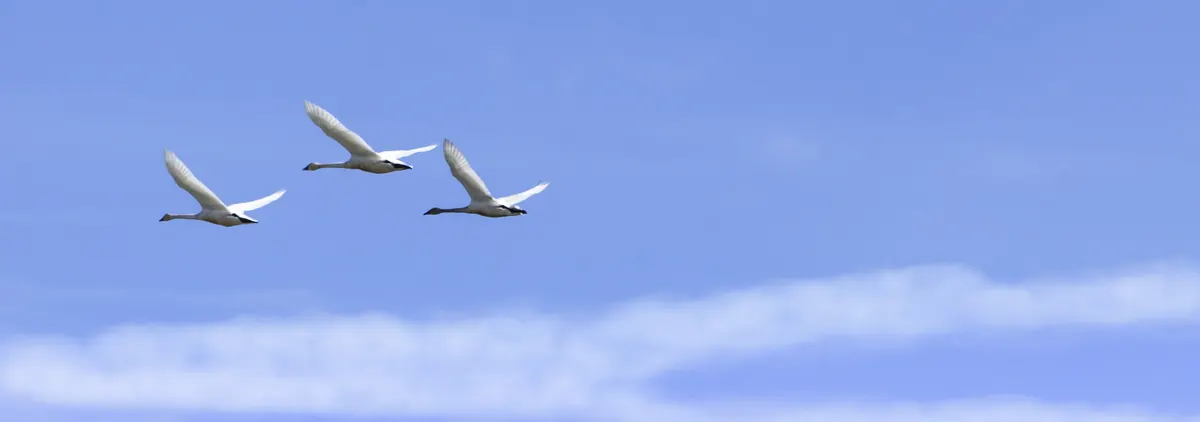
- Swans at sundown. The Fish and Wildlife Service says tundra swans rarely reach Stillwater National Wildlife Refuge before November. In Reno, the boardwalk at Swan Lake Nature Study Area in Lemmon Valley is the easy place to hear them fly in to roost at dusk; bring binoculars, since the flock sits well out on the water.
- Cut your own tree. Christmas tree permits for five Humboldt-Toiyabe ranger districts go on sale at the start of November, at $5 or $10 a tree depending on the district. Pinyon, juniper, white fir and several pines are on the list; bristlecones never are.
- A supermoon and the Leonids. November’s full moon, the Beaver Moon, peaks in the early morning of Tuesday the 24th (6:53 a.m. PST), close enough to perigee to count as a modest supermoon. Six nights before that, Leonid meteors peak; watch in the small hours of the 18th, after moonset.
For the journal: in the Naturalist’s Field Journal, add tundra swans and your first bald eagle of the winter to “birds I have seen,” use the mammal watch page for a rutting buck seen at first light, save a cone from your cut tree to draw on the seeds, pods and cones page, then log the Leonids or the Beaver Moon rising on a dusk and dawn watch page. Note the town and the temperature with every entry.
Regions used below: Reno, Carson City and Lake Tahoe; Northern Nevada: Winnemucca, Elko and the Ruby Mountains; Central Nevada: Fallon, Austin and Tonopah; Eastern Nevada: Ely and Great Basin National Park; Southern Nevada: Las Vegas, the Spring Mountains and the Mojave.
Where can I see tundra swans in Nevada in November?
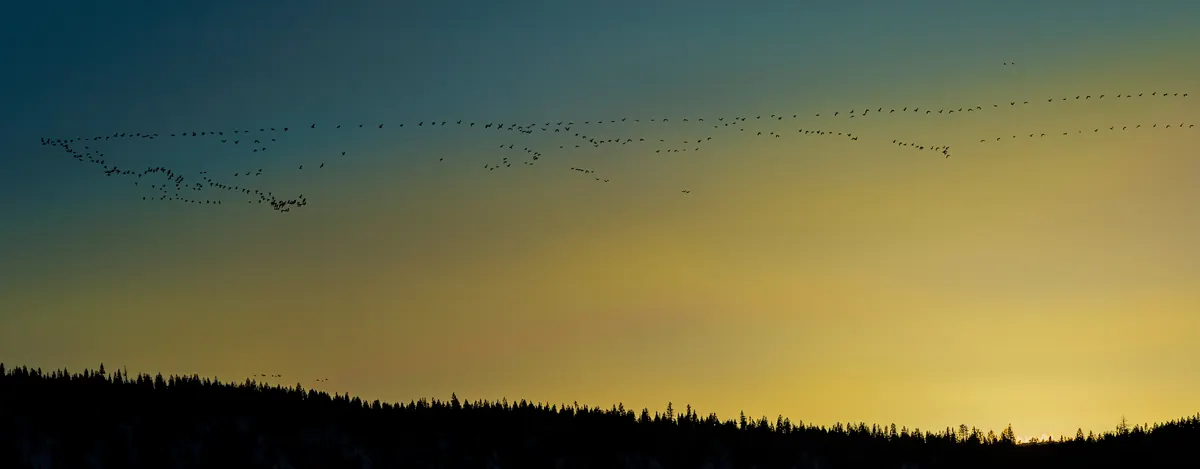
These swans breed in the far Arctic and come south for open, shallow water once it freezes up there. NDOW describes them as winter and migration visitors to the northern part of the state, feeding on grasses and digging up roots and tubers in marshes, slow rivers and flooded fields. In the Lahontan Valley around Fallon, where the Carson River spreads out and disappears into the desert, the Fish and Wildlife Service notes that swans typically don’t show up until November, well after the first ducks.
-
Stillwater National Wildlife Refuge
From November through the winter · About 17 miles northeast of Fallon; wildlife viewing south of Division Road
Stillwater is Nevada’s largest wetland. The Nature Conservancy, which has bought water rights to keep the Stillwater and Carson Lake marshes wet in dry years, puts the waterfowl that use them at more than a quarter million birds. Swans join the canvasbacks, pintails and other ducks on the open ponds from November. Plan your route around the hunt: the refuge allows waterfowl hunting only north of Division Road, so the ponds to the south are the quieter place to watch.
-
Swan Lake Nature Study Area, Reno
Roughly November to March; best at sunset · Lemmon Valley, off the north end of Lear Boulevard
An unlikely swan refuge in the middle of an industrial park. Washoe County lists the wetland as an Important Bird Area and says it swells from about 100 acres to 1,000 depending on how wet the year has been; a 600-foot boardwalk leads out over the marsh. A Lahontan Audubon Society officer told the Reno News & Review she once counted 2,000 swans here. They spend the day in the middle of the lake and come in noisily at dusk, so a late-afternoon visit with binoculars works best.
-
Swan season in three counties
October 17, 2026 to January 3, 2027, then January 6–31 · Churchill, Lyon and Pershing counties only
Nevada runs a permit swan hunt in the Lahontan Valley and nearby counties. For 2026–27, NDOW caps it at 750 permits, requires successful hunters to show the head and neck to an NDOW officer for species checks, and closes the whole season early if ten trumpeter swans are taken. Expect shotguns at dawn on the marshes around Fallon all month.
To tell the two species apart, NDOW points to a small yellow spot on the bill in front of the eye and the tundra swan’s slightly smaller size. Most swans you see in Nevada in November are likely to be tundras; a big, all-black-billed swan is worth a second look and an eBird report.
When do bald eagles arrive in Nevada for the winter?
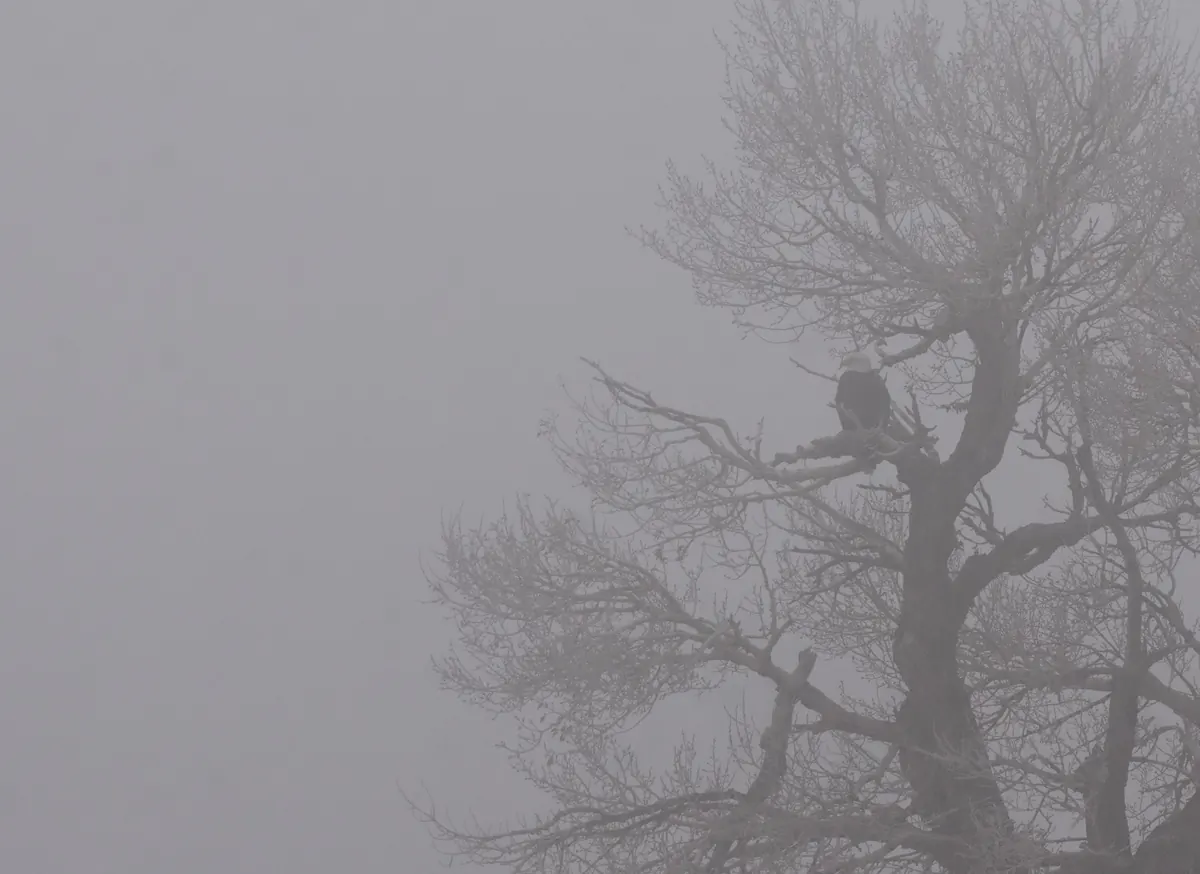
Bald eagles nest in only a few places in Nevada, near Lake Tahoe and along the Colorado River, but NDOW says they winter all across the state. Fish make up much of their diet, which is why the big reservoirs and rivers draw them, though they will also take ducks, small mammals and carrion. November is the month they start to show up in numbers, and the count keeps climbing into midwinter.
-
Lake Mead and Lake Mohave
Late September to early May; most from December to February · Especially the Overton Arm of Lake Mead
The Park Service finds its eagles concentrated on the Overton Arm, the long northern finger of the lake, probably because it has plenty of waterfowl to hunt and fewer boats. Rangers run a standardized count every January, and the number of eagles, immature birds in particular, has risen since 2009. On Veterans Day (Wednesday, November 11) entry to Lake Mead National Recreation Area costs nothing for US citizens and residents.
-
Truckee Meadows and Carson Valley
First birds in November; peak December to February · Rosewood Nature Study Area and Hidden Valley in southeast Reno, Mayberry Park, Swan Lake, Carson Valley and Lake Tahoe
The Truckee Meadows Parks Foundation says the first eagles can turn up around Reno in November, with the best viewing from December on. Lake Tahoe’s annual count found just two eagles in 1979; volunteers have recently tallied about 19 at the lake, and the foundation puts the northern Nevada winter total at roughly 150. Look for a dark bird hunched in a bare cottonwood beside open water.
Young bald eagles are mottled brown and white for their first few years and are easy to mistake for golden eagles; note the date, place and what the bird was doing, and add it to an eBird list so it reaches the people who run the counts.
When is the mule deer rut in Nevada, and why are there bridges over US 93?
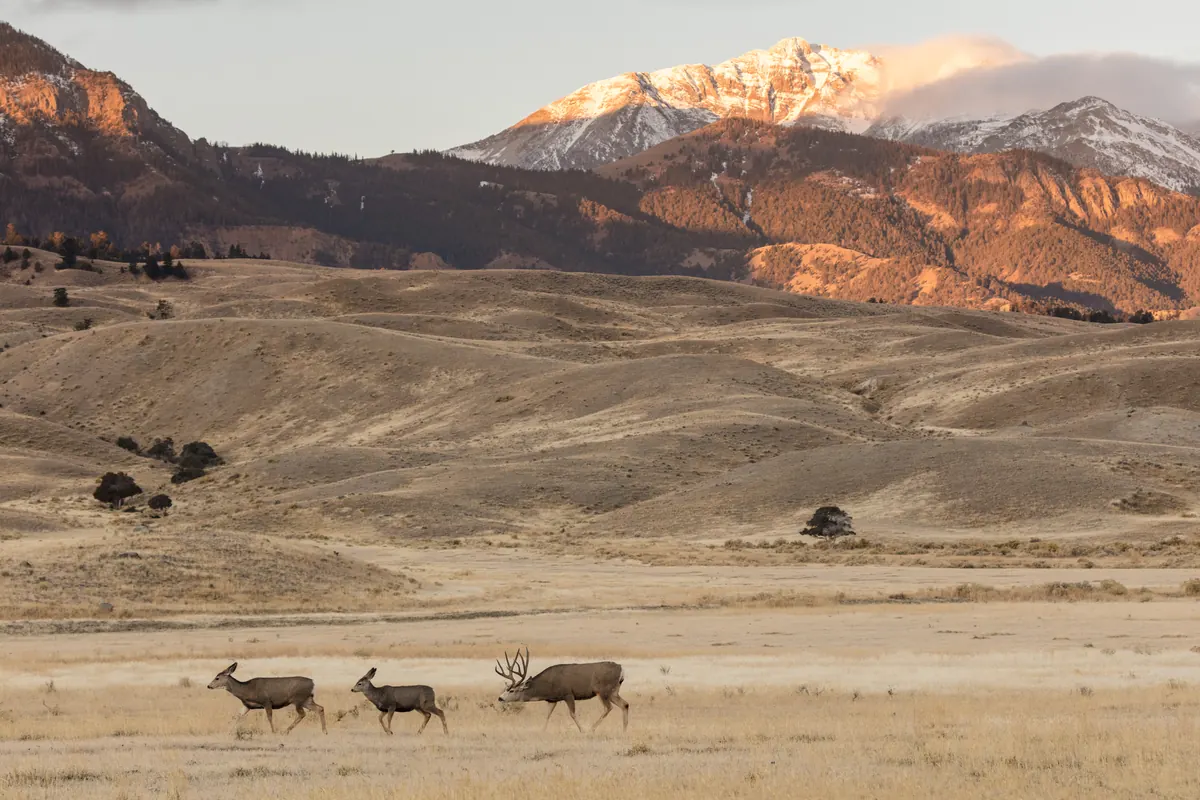
By November most of Nevada’s mule deer have left the high country for winter range in the sagebrush, where NDOW notes they depend on sagebrush for food once little else is available. Some herds travel a very long way to get there: an NDOW biological bulletin says some Nevada migrations exceed 100 miles. Once on winter range, the bucks turn their attention to the does.
-
The rut
Through November; the Utah peak is mid-November · Sagebrush foothills and valley edges
NDOW describes bucks locking antlers and fighting until one gives up. Wildlife biologists in neighboring Utah, in the same Great Basin country, put the peak of breeding in mid-November, when a buck follows and “tends” several does in turn; Nevada’s timing should be similar, though it varies with elevation and weather. Dawn and the last hour of light are when you are most likely to see a buck nose-down behind a doe, and also when deer are most often on the roads.
-
The US 93 and I-80 crossings
Fall migration, October into November · US 93 north of Wells and I-80 near the Pequop Summit, Elko County
Deer from the Pequop herd cross both highways twice a year. On US 93 near Wells, NDOT and NDOW built three underpasses and two overpasses with three to four miles of fencing on each side to steer the animals to them. The Fish and Wildlife Service reports that more than 35,000 mule deer used the structures between fall 2010 and spring 2014, that collisions fell by up to 80 percent, and that elk, bobcats, badgers, mountain lions and pronghorn use them too; it was the first time pronghorn had been recorded on an overpass anywhere in North America. You can see the overpasses from the highway; do not stop on the shoulder to look.
Note where and when you see deer near a road on the mammal watch page of your journal. Over a season the same crossings turn up again and again, and they are worth slowing for.
Which winter birds come to Nevada feeders in November?
The winter feeder season begins this month, and this year there is a reason to watch closely. In its annual winter forecast for 2026–27, released on September 25, the Finch Research Network reports “a widespread pine failure on limber, whitebark, pinyon and ponderosa pines in the interior areas of the mountain west,” which covers most of Nevada’s mountain ranges.
-
What a failed pine crop can mean
All winter · Pinyon-juniper hills and towns at their edge
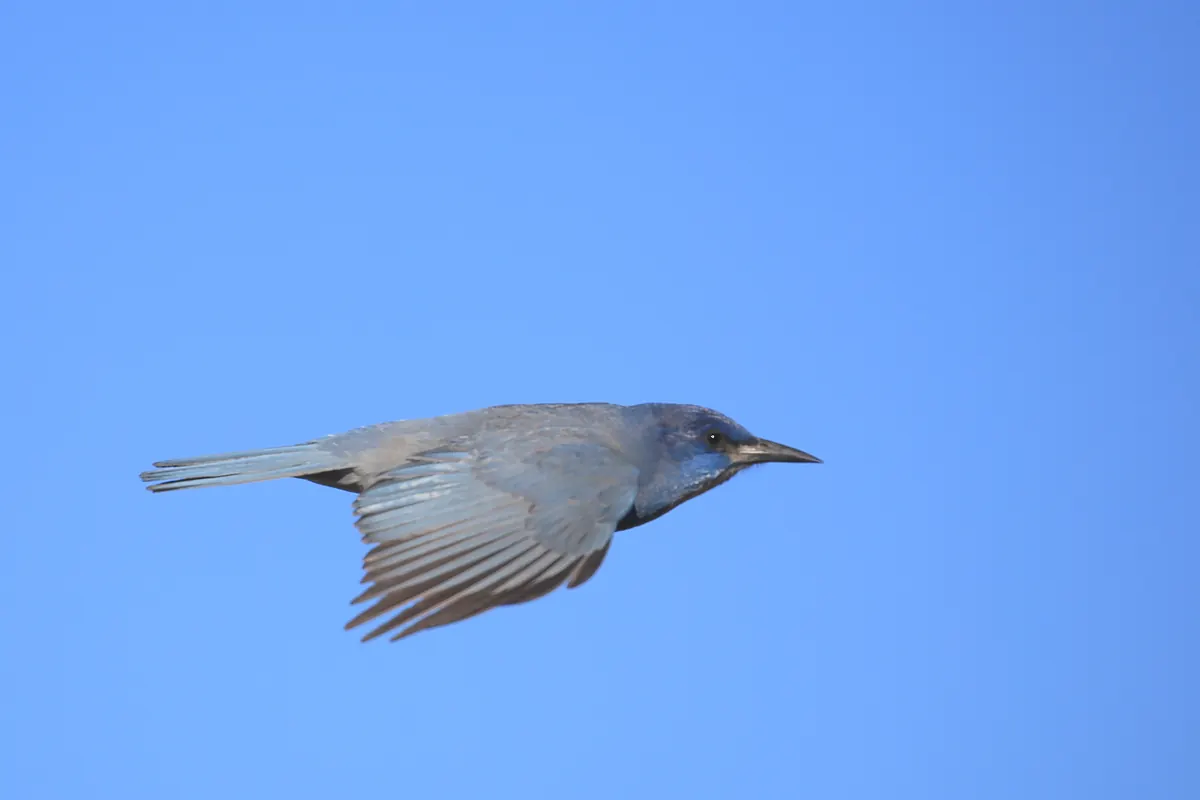
The forecast says Type 2 red crossbills, a pine-cone specialist, had already started moving west to east across the country in July and August because of the poor western crop. The forecast does not say what Nevada’s pinyon jays and Clark’s nutcrackers will do, but birds that live on pine seed tend to wander when the cones are empty, and families who gather pine nuts should expect a thin harvest this fall. Report any unusual flock of jays, nutcrackers or crossbills in town to eBird.
-
Project FeederWatch
November 1, 2026 to April 30, 2027 · Any yard, balcony, schoolyard or park with feeders
Two partners, Birds Canada and the ornithology lab at Cornell, organize FeederWatch. You pick your own count days and spot, tally the most birds of each species you see at once, and send the counts in by app or website. A Nevada list in a pine-failure winter is exactly the kind of record the project is designed to capture.
Black-oil sunflower seed on a platform or scattered on the ground suits the widest range of Nevada visitors. Keep the feeders clean, and put water out on freezing mornings; in a dry state, a heated birdbath can draw more birds than seed.
Is November a good month to fish Pyramid Lake?
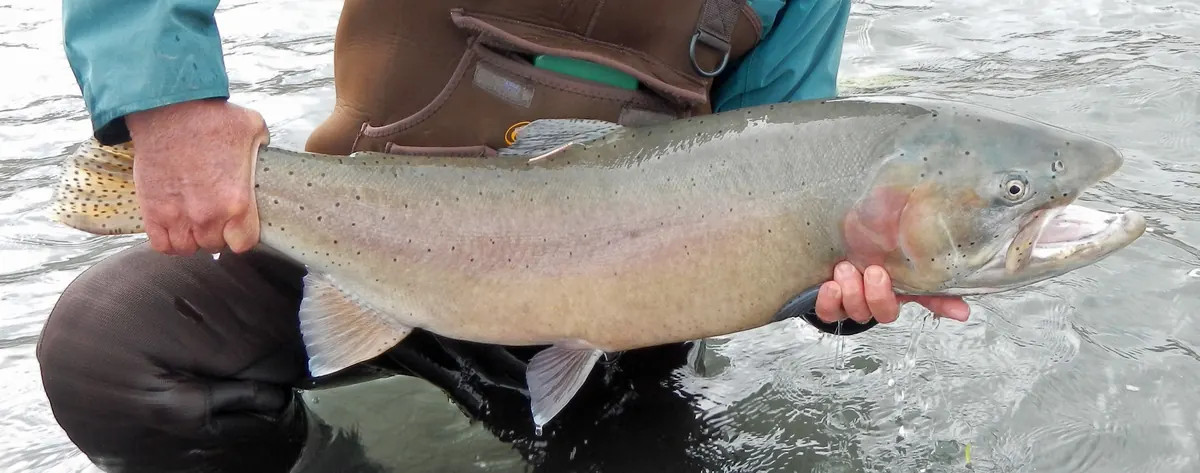
For Pyramid Lake’s Lahontan cutthroat trout, the answer from the tribe’s own fishery is yes, and it improves as the month goes on. Pyramid Lake Fisheries says the fish begin moving toward shore once the water there cools into the low 60s, and that fall fishing can be good, above all from Thanksgiving to Christmas, when the inshore water is in the high 40s and low 50s.
-
Thanksgiving to Christmas
Late November and December · Beaches and drop-offs around the lake, inside the Pyramid Lake Paiute Reservation
The season that opened October 1 runs to June 30. Anyone 12 or older needs a Pyramid Lake Paiute Tribe permit, only artificial lures are allowed, and the slot limit sends back every trout under 17 inches and every one from 20 to 24 inches fork length.
-
Releasing a big cutthroat well
Every fish · In the water if you can
Pyramid Lake Fisheries reports an average of 58% mortality among released cutthroat that are bleeding, which is why barbless hooks are required and why the fishery asks anglers to keep fish in the water while unhooking them. A wet hand, a quick photo and a gentle release give the next angler a chance at the same fish.
Weather is the real hazard here. A big, open desert lake can turn rough quickly when a front brings wind, and by late November the water is cold enough to be dangerous for anyone who goes in. Check the forecast on the weather page before you launch or wade out.
Can I cut my own Christmas tree in Nevada?
Yes, on much of the Humboldt-Toiyabe National Forest. Permits go on sale November 1 or the first business day after it; this year the 1st is a Sunday, so in-person sales start Monday, November 2. They are sold until December 24, online at Recreation.gov (with a $2.50 transaction fee) or at district offices and local vendors, and each permit covers one tree.
-
Prices and limits by district
From early November · Austin-Tonopah, Ely, Mountain City-Ruby Mountains-Jarbidge, Carson and Bridgeport ranger districts
Trees cost $5 each in the Austin-Tonopah, Ely and Mountain City-Ruby Mountains-Jarbidge districts, with up to five per household, and $10 each in the Carson and Bridgeport districts, with a limit of two. Which species you may cut depends on the district: juniper, singleleaf pinyon, white fir, incense cedar, Jeffrey and ponderosa pine and lodgepole pine are all on the overall list. On the Ely district, bristlecone pines are off limits.
-
The rules in the woods
Whenever you go · Away from roads, campgrounds and wilderness
Cut at least 50 feet from any road, leave a stump no taller than six inches above the soil, and take the whole tree rather than lopping off the top of a tall one. Cutting is not allowed in campgrounds, administrative sites or wilderness areas, or on private and state land. Ask the district office which areas are open and how the access roads look; by late November, snow can close the higher ones.
A Christmas tree trip is also a tree identification lesson. Pinyon has short needles, usually one to a bundle; white fir has flat, soft needles and upright cones; juniper has scales and blue, berry-like cones. Bring a cone home for the seeds, pods and cones plate in your Naturalist’s Field Journal.
When does it start to snow in Nevada, and what could El Niño do this winter?
November is the first true winter month across most of the state. The 1991–2020 NOAA normals give Reno’s airport November averages of 57 °F by day and 31 at night, with 1.8 inches of snow. Winnemucca averages 54 and 23 with 2.6 inches, Elko 50 and 22 with 4.1 inches, and Ely 51 and 19 with 5.9 inches. Las Vegas stays mild at 67 and 47, with no snow in its November normal and only about three-tenths of an inch of precipitation. A National Weather Service climate study of Reno says its snow falls mainly between early November and March, and the first flakes in town can come very late: NWS Reno recorded the first measurable valley snow of the 2024–25 winter on November 15, 2024, but the winter before, the valley floors around Reno and Carson City waited until January 6, 2024. Calm, high-pressure spells between storms also set up the month’s other signature, cold valley inversions that trap haze and chill under a lid of warmer air.
The bigger question is the coming winter. NOAA’s ENSO discussion dated September 10, 2026, gives better than a 90% chance that the El Niño now building will be a very strong one, and Nevada’s state climatologist has called it “not your typical El Niño.” Past events offer no single answer for the state. The Nevada Independent, citing NOAA, notes that two of the three strongest El Niños since 1950, in 1982–83 and 1997–98, were extremely wet in Nevada, while the third, in 2015–16, left precipitation near normal; a regional climatologist at the Western Regional Climate Center told the paper there is no one-to-one link between a strong El Niño and big impacts here. A University of Nevada, Reno Extension analysis is more specific: El Niño has often, though not every time, meant a cooler, wetter winter in Clark County and the southern ends of Nye and Lincoln counties, while across the north it has not been a dependable guide. NOAA’s official December–February outlook is due on October 15; you will find it on NOAA’s 90-day outlook page. For day-to-day conditions in your own valley, use the local weather page.
Has my part of Nevada had its first freeze yet?
By November almost all of Nevada has had its first freeze. The exception is the low Mojave around Las Vegas, which in a typical year still has two to six weeks to go.
| Station | One year in ten | Median | Nine years in ten |
|---|---|---|---|
| Reno Tahoe International Airport | Oct 11 | Oct 23 | Nov 3 |
| Carson City | Sep 24 | Oct 6 | Oct 20 |
| Incline Village (Lake Tahoe) | Sep 30 | Oct 13 | Oct 30 |
| Winnemucca Municipal Airport | Sep 3 | Sep 17 | Oct 1 |
| Elko Regional Airport | Sep 3 | Sep 18 | Oct 1 |
| Ely Yelland Field Airport | Aug 31 | Sep 13 | Sep 26 |
| Hawthorne (west-central) | Oct 12 | Oct 25 | Nov 8 |
| Mount Charleston Fire Station (Spring Mountains) | Sep 19 | Oct 2 | Oct 17 |
| Las Vegas Mccarran Airport (now Harry Reid International) | Nov 28 | Dec 15 | Jan 7 |
In the north and east the question is long settled: Ely (median September 13), Winnemucca (September 17) and Elko (September 18) usually freeze in mid-September, and Mount Charleston up in the Spring Mountains around October 2. Carson City’s typical date is October 6 and Incline Village’s October 13. The warmer western valleys are the last of the north to go: Reno’s airport has a median of October 23 and Hawthorne October 25, and in nine years out of ten both have frozen by about November 3 and November 8. That leaves Las Vegas, where the median first freeze is December 15; only one year in ten brings it before November 28, so desert gardens there usually get the whole of November. Look up the station nearest you on the Nevada frost page.
How early does it get dark in Nevada in November?
Over the month Winnemucca and Elko lose 56 minutes of daylight, Reno 53 and Las Vegas 47, so the north gives up a little more than the south. The clock change on the 1st makes the loss feel far bigger than it is.
| City | Nov 1 | Nov 30 | Lost | Per day |
|---|---|---|---|---|
| Reno | 10 h 29 m | 9 h 36 m | 53 min | 1.8 min |
| Fallon | 10 h 30 m | 9 h 37 m | 53 min | 1.8 min |
| Winnemucca | 10 h 24 m | 9 h 28 m | 56 min | 1.9 min |
| Elko | 10 h 25 m | 9 h 29 m | 56 min | 1.9 min |
| Ely | 10 h 30 m | 9 h 38 m | 52 min | 1.8 min |
| Tonopah | 10 h 35 m | 9 h 45 m | 50 min | 1.7 min |
| Las Vegas | 10 h 41 m | 9 h 54 m | 47 min | 1.6 min |
| Laughlin | 10 h 44 m | 9 h 58 m | 46 min | 1.6 min |
At 2 a.m. on Sunday the 1st, Nevada’s clocks drop back an hour. In Reno the sun sets at about 5:59 p.m. on Saturday, October 31, and at 4:57 p.m. on Sunday; by November 30 it is down by 4:36. Las Vegas goes from 5:45 to 4:44 overnight and reaches 4:26 by the end of the month, and Elko, on Pacific time but farther east, is down to 4:16. West Wendover, which keeps Mountain time, falls back the same night. The sunrise and sunset calculator gives exact times for your own street.
What can I see in Nevada’s night sky in November?
Long nights, dry air and dark valleys make November one of Nevada’s best observing months, as long as you dress for a night in the 20s.
-
The Beaver Moon, a supermoon
Evenings of Monday, November 23, and Tuesday, November 24 · Rising in the east-northeast around sunset
The moon is exactly full at 6:53 a.m. Pacific time on the 24th, and the moon’s closest swing past Earth for the month follows about 30 hours after that. So it qualifies, just, as a supermoon: slightly bigger and brighter than a typical full moon. Through the night of Monday the 23rd it passes over or right next to the Pleiades star cluster, whose fainter stars will vanish in the glare.
-
Leonid meteors
Before dawn on Wednesday, November 18 (also the 17th and 19th) · Face east after the moon sets
No outburst is forecast this time; the International Meteor Organization predicts a rate of about 15 an hour at best, and that only under a truly dark sky. With the first-quarter moon gone by about midnight and Leo rising higher until daybreak, the best window runs from roughly 2 a.m. until the sky brightens.
-
Taurid fireballs
Peaks around November 5 and November 12 · Most of the night, high in the south by midnight
Two slow, sparse streams from Comet Encke peak a week apart, with only 5 to 10 meteors an hour; their reputation rests on the odd slow, bright fireball. With the moon new on the 8th, the nights between the two peaks stay dark.
-
A crowded morning sky
Mornings all month · East and southeast before sunrise
Venus blazes in the east before sunrise, gaining height week by week and reaching peak brilliance around November 24 to 27. Mars passes just over a degree from Jupiter on the mornings of November 15 and 16, a pair you can cover with a fingertip at arm’s length. Mercury joins them low in the east-southeast for its best morning showing, roughly November 18 to 25. After dark, look south for Saturn, the only bright planet of the evening.
-
Uranus at opposition
Night of November 25 · In Taurus, not far from the Pleiades
Uranus is opposite the sun on the 25th and up all night. With binoculars and a star chart it is an easy find as a steady, faintly blue-green dot.
| Phase | Date | Time |
|---|---|---|
| Last quarter | Sunday, Nov 1 | 12:28 p.m. |
| New moon | Sunday, Nov 8 | 11:02 p.m. |
| First quarter | Tuesday, Nov 17 | 3:48 a.m. |
| Full moon, the Beaver Moon | Tuesday, Nov 24 | 6:53 a.m. (looks full the evenings of Nov 23 and 24) |
| Last quarter | Monday, Nov 30 | 10:08 p.m. |
Before driving out to a dark site, look at the cloud cover forecast; the moon phase page lists local moonrise and moonset times.
What can families do outdoors in Nevada in November?
- Join a naturalist at Clark County Wetlands Park in Las Vegas. The county’s 2026 schedule has Red Rock Audubon birding walks on Saturday, November 7 (8 to 10 a.m.) and Saturday, November 21 at Duck Creek (7:30 to 9:30 a.m.), both for ages 10 and up; a family-friendly watercolor class, Autumn Leaves, for ages 4 to 17 on Sunday, November 1 (11 a.m.); free walk-in Nature Tales story and craft hours on Spiders (Wednesday, November 11) and Roadrunners (Saturday, November 14) at 11 a.m.; and a Nature Journaling walk for ages 8 and up on Sunday, November 29 (9 to 11 a.m.). Walks are $5 and must be booked in advance.
- Catch the Springs Preserve Butterfly Habitat before it closes after Monday, November 23; it is included with general admission to the Las Vegas preserve. The preserve’s Día de Muertos celebration runs in the evenings of November 6 to 8 (tickets required); check its calendar for garden classes and weekend kids’ programs.
- Watch the swans come in at Swan Lake in Reno’s Lemmon Valley on a late afternoon, or drive the refuge roads at Stillwater near Fallon. Both are free.
- Go underground at Great Basin National Park. The Park Service runs Lehman Caves tours year-round and notes that winter groups are often small; book ahead on Recreation.gov. The upper scenic drive closes to cars in winter but stays open to snowshoes and skis.
- Make a day of a Christmas tree permit with a thermos, a saw and a field guide, and identify every conifer you pass before you choose.
- Count birds for science. Sign up for Project FeederWatch, which starts on November 1, or log a family bird list in eBird from any park.
The Naturalist’s Field Journal can hold every swan count, cave tour and tree trip from these weeks. You can look back at Nevada in October, or pick another state on the index of seasonal nature guides.
Safety notes for November in Nevada
- Deer hunts overlap the first half of the month and longer in some places. NDOW’s 2026–27 seasons have most any-legal-weapon (rifle) mule deer hunts running to November 2, 5 or 8 depending on the unit group, while unit groups 192, 194, 196, 201 through 213, 261 through 268, 271, 272 and 291 hunt from November 5 to 30. Muzzleloader hunts in unit groups 114 and 115 and 181 through 184 run November 10 to 30, and in unit 081 from November 21 to December 10. Check NDOW’s unit map to see which hunt covers the hills you walk.
- Bird hunting is open everywhere. NDOW’s 2026–27 small game guide has duck and goose seasons running all month in all three waterfowl zones; scaup opens November 5 in the Northwest Zone and November 7 in the South Zone; the swan hunt continues in Churchill, Lyon and Pershing counties. Pheasant season runs November 1 to 30, rabbit season opens November 1, and chukar, Hungarian partridge and quail continue to February 7, 2027. Nevada counts the day after Thanksgiving, November 27, as the Family Day state holiday, which opens Mason Valley Wildlife Management Area to hunting that day.
- Orange is optional but smart. Nevada has no hunter orange law. NDOW’s advice to upland hunters is that orange clothing is “highly recommended,” and the same logic applies to anyone hiking, birding or cutting a tree in hunted country this month. Dress your dog in orange too.
- Refuge etiquette. At Stillwater, hunting happens north of Division Road; birders and photographers have the south side to themselves.
- Cold and early dark. With Ely’s average November low at 19 °F and sunset before 4:40 p.m. in much of the state by late month, pack a light, a puffy jacket and more water than seems necessary even for a short stroll, and aim to reach the car by 4. Cell service is absent across long stretches of central and eastern Nevada.
- Winter driving begins. Snow and ice can close high passes and forest roads with little warning, and gusty winds ahead of storms are common in November. Watch for deer at dawn and dusk, especially on US 93, I-80 and the roads around the Ruby Mountains.
- Stay off thin ice. In the northern valleys, small ponds and the margins of marshes may freeze over in late November long before the ice will hold a person or a dog.
Sources
- U.S. Fish and Wildlife Service: Stillwater National Wildlife Refuge, species and seasons
- U.S. Fish and Wildlife Service: hunting at Stillwater National Wildlife Refuge (Division Road)
- The Nature Conservancy: Stillwater and Carson Lake wetlands
- NDOW: Tundra swan
- Washoe County Parks: Swan Lake Nature Study Area
- Reno News & Review: tundra swans flock to a Lemmon Valley wetland in winter (November 25, 2024)
- NDOW: 2026–27 swan season information (dates, 750 permits, trumpeter limit)
- NDOW Nevada Small Game Hunting guide 2026–27: migratory game bird seasons
- NDOW: Bald eagle
- National Park Service: bald eagles at Lake Mead National Recreation Area
- National Park Service: 2026 fee-free days (US citizens and residents)
- Truckee Meadows Parks Foundation: Winter wonders, bald eagles of northern Nevada
- NDOW: Mule deer
- NDOW Biological Bulletin No. 14: Nevada’s mule deer, population dynamics, issues and influences (2004)
- Utah Division of Wildlife Resources: Utah mule deer statewide management plan (rut timing)
- U.S. Fish and Wildlife Service: man-made wildlife crossings cut animal-vehicle collisions (US 93, Nevada)
- University of Nevada, Reno: effectiveness of the US Highway 93 wildlife crossings for mule deer
- Finch Research Network: Winter Finch Forecast 2026–2027 (September 25, 2026)
- Project FeederWatch: welcome and season dates
- Pyramid Lake Fisheries: fishing seasons, regulations and catch-and-release
- Pyramid Lake Paiute Tribe: fishing permits
- Humboldt-Toiyabe National Forest: Christmas tree permits
- NOAA National Centers for Environmental Information: 1991–2020 monthly normals (Reno, Winnemucca, Elko, Ely, Las Vegas)
- NOAA Technical Memorandum NWS WR-276: Climate of Reno, Nevada
- NWS Reno: monthly climate report, November 2024 (first valley snow November 15)
- NWS Reno: monthly climate report, January 2024 (first valley snow January 6)
- NOAA Climate Prediction Center: ENSO diagnostic discussion, September 10, 2026
- NOAA Climate Prediction Center: 90-day (seasonal) outlooks
- The Nevada Independent: Nevada could be in for a wet and wild winter (September 9, 2026)
- University of Nevada, Reno Extension: El Niño, La Niña and what they mean for winter precipitation in Nevada
- U.S. Naval Observatory: phases of the moon
- U.S. Naval Observatory: sun and moon rise/set data
- International Meteor Organization: 2026 meteor shower calendar
- EarthSky: supermoons of 2026
- EarthSky: Uranus at opposition
- EarthSky: Mercury’s greatest western elongation
- Clark County Wetlands Park: interpretive programs, walks and classes 2026
- Springs Preserve: events and activities (Butterfly Habitat, Día de Muertos)
- National Park Service: visiting Great Basin National Park in winter
- NDOW: CR 25-07, 2025–2026 and 2026–2027 big game seasons
- NDOW: CR 26-13, 2026–2027 upland game and furbearer seasons
- NDOW: things to know for upland game hunting (orange recommended)
- Photos via Wikimedia Commons; licenses and photographers are credited under each picture
