What to look for in nature in South Carolina this October
South Carolina’s October starts at the top and the bottom at once. Hawks ride the updrafts off the Blue Ridge Escarpment while oyster rakes go back into the Lowcountry mud on the first of the month; monarchs drift down the barrier islands, the last loggerhead eggs hatch on a near-record beach, and the highest tides of the year lap Charleston’s low streets at the end of the month. Inland, a dry year decides how bright the Upstate hardwoods get, and Congaree National Park turns fifty. Here is what to watch, with dates.
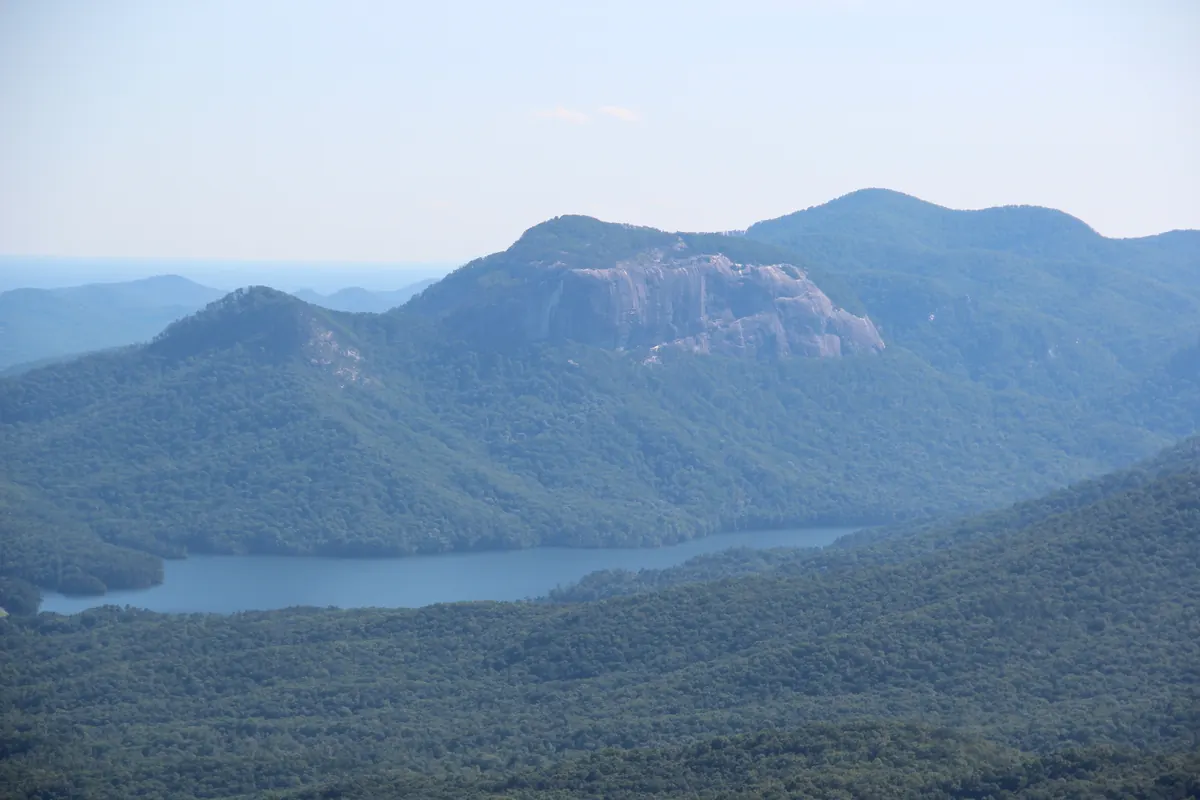
Start here
- Oyster season opens October 1. Recreational harvest of oysters and clams reopens half an hour before sunrise on Thursday, October 1, on public and state shellfish grounds with open water quality, and runs to May 15, 2027. A saltwater fishing license is required.
- Hawks off the escarpment. The official counts at Caesars Head and Sassafras Mountain run through November. The huge broad-winged flights are mostly done by early October, but falcons, sharp-shins, red-tails and vultures keep coming on cool northwest winds, and the coastal count at Botany Bay on Edisto is a falcon show.
- The moon covers Jupiter, October 6. Jupiter goes missing for an hour early on Tuesday, October 6, hidden by a sliver of moon. In Charleston the planet vanishes at about 4:17 a.m. and comes back at about 5:19, both in a fully dark sky, low in the east.
Keep a record: the first kestrel and yellow-rumped warbler belong on “birds I have seen” in the Naturalist’s Field Journal, the pollinator watch plate takes monarchs on the groundsel bushes, seeds, pods and cones takes the persimmons and sweetgum balls, and the daily field log takes the tide height on a king-tide morning. Put the date on every line.
Regions used below: Upstate and the Blue Ridge Escarpment; Midlands and Congaree; Pee Dee and the Sandhills; Grand Strand; Lowcountry and the Sea Islands.
When do the leaves turn in the South Carolina mountains?
Fall color in South Carolina is mostly an Upstate affair, strung along the Blue Ridge Escarpment and the Cherokee Foothills Scenic Highway. The state parks put the usual peak between mid-October and early November, and their ranger reports from Table Rock last year called the peak arriving on October 29 and ending by November 5. This year drought is the wild card. As of September 22, the U.S. Drought Monitor had 78.9 percent of the state in drought, and FOX Carolina’s September outlook warned that thirsty trees in the Upstate and the western mountains may shut down early, reach peak a week or two ahead of schedule and show more yellow and brown than red. Higher slopes that caught summer storms should do best.
-
The escarpment parks
Usually late October into early November; possibly earlier and duller this year · Table Rock, Caesars Head, Jones Gap, Keowee-Toxaway, Devils Fork and Oconee state parks
These are the parks South Carolina State Parks lists first for foliage, and they sit where the mountains drop abruptly onto the Piedmont, so a single overlook shows several elevations turning at different speeds. At Caesars Head, Raven Cliff Falls, a 420-foot cascade, is a 6.6-mile round trip. Their weekly foliage reports are the best way to time a drive this year.
-
Sassafras Mountain, first to turn
Usually the earliest color in the state · Pickens County, on the North Carolina line
At 3,553 feet, Sassafras is the highest point in South Carolina, and its summit platform, finished in 2019, looks out in every direction. Its ridgetop hardwoods tend to turn before the valleys do. The platform doubles as a hawk-watch station, so bring binoculars for both jobs.
-
Piedmont and Midlands woods
Mostly November · Sweetgum, hickory, dogwood and red maple along creeks and fencerows
Below the mountains the season slides later. Dogwoods and sourwoods redden first, sweetgums follow in a mix of purple, red and yellow on the same tree, and the hickories go gold. In the Congaree floodplain the bald cypresses turn a rusty orange later still, usually well into November.
Where can you watch hawks and falcons migrate over South Carolina?
Three official fall counts send their tallies to HawkCount, the database of the continent’s hawk-watch association. Caesars Head, an official migration site since 1988 on a south-facing cliff at 3,208 feet, runs September 1 to December 1; Sassafras Mountain and the Botany Bay Wildlife Management Area on Edisto Island count September 1 to November 30. The mountain sites are built on broad-winged hawks, which peak around the autumnal equinox: Caesars Head averages 3,721 broad-wings a season and holds a one-day record of 11,043 on September 22, 2013. October is quieter up there but more varied.
-
Late broad-wings, then the October mix
First days of October for broad-wings; all month for the rest · Caesars Head overlook and Sassafras Mountain, best 10 a.m. to 5 p.m.
A few late kettles of broad-wings can still pass in the first week. After that the flight turns to sharp-shinned and Cooper’s hawks, red-tails, kestrels, the odd peregrine or osprey, and turkey vultures, which average more than 900 a season at Caesars Head and more than 3,200 at Sassafras. The good days follow a cold front, when a northwest wind strikes the escarpment and lifts the birds. Volunteers keep the tally; ask them what has been moving.
-
Falcons on the coast
Early to mid-October is the classic peregrine window · Botany Bay Plantation WMA, Edisto Island
The Edisto count is a different animal. Its averages run to about 10,500 turkey vultures, 253 American kestrels and 68 peregrine falcons per season, the peregrines racing south along the beach from the Arctic. Botany Bay is a wildlife management area, so check hunt-day closures before you go.
-
Oystercatchers gathering at Cape Romain
Fall into winter · Cape Romain National Wildlife Refuge, Awendaw and McClellanville
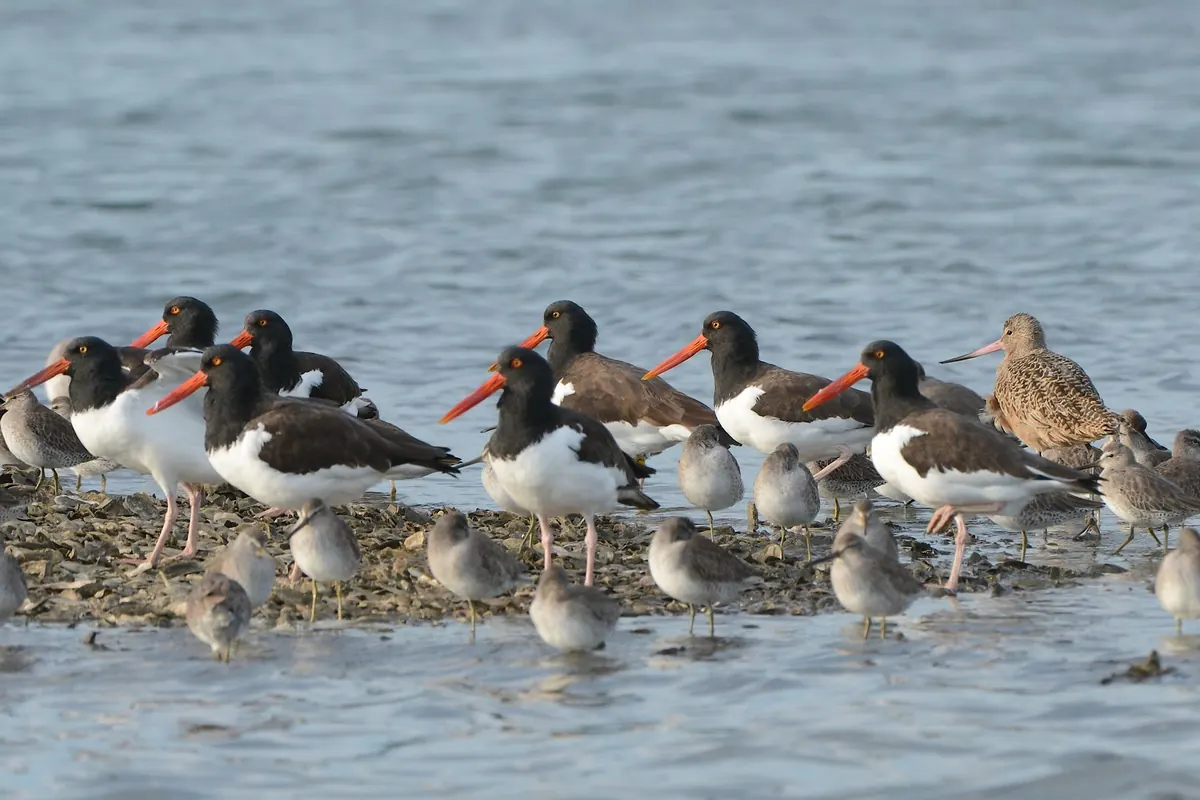
The refuge’s 22 miles of islands and marsh hold the largest wintering population of American oystercatchers on the Atlantic and Gulf coasts, and the flocks build as the season turns. The islands are reached only by boat, from Garris Landing or on the concession ferry to Bulls Island; the Sewee Visitor Center on Highway 17 is open Wednesday to Saturday, 9 to 5.
-
Warblers out, sparrows and kinglets in
Through October · Hedgerows, wax myrtle thickets and park edges statewide
Yellow-rumped warblers arrive for the winter and work the coastal wax myrtles, whose waxy berries few other birds can digest. Kinglets and white-throated sparrows follow, and the last hummingbirds slip away.
Two counts suit a beginner: the Big Sit, October 10–11, which tallies every species from inside a circle 17 feet across, and eBird’s worldwide one-day count, the October Big Day, scheduled for the 10th. Put the hawk-watch totals and the first yellow-rump in the journal’s “birds I have seen” list.
When do monarchs pass through South Carolina?
The answer depends on where you stand, and the sources do not agree. Monarch Watch puts the peak at 35° N, the North Carolina line, on September 24 to October 6, and at 33° N, about the latitude of Summerville and Aiken, on September 29 to October 11. Discover South Carolina’s Lowcountry account puts the coastal peak later, in late October and early November, with butterflies collecting on the southwest ends of the barrier islands before they cross open water. Both may be right, since the coast seems to carry its own later stream, and SCDNR’s coastal monarch study notes that some East Coast migrants spend the winter along the immediate South Carolina coast rather than going on to Mexico.
-
Groundsel bushes on the islands
Flowering August through October · Dune edges and marsh margins; Folly, Sullivan’s, Kiawah, Huntington Beach
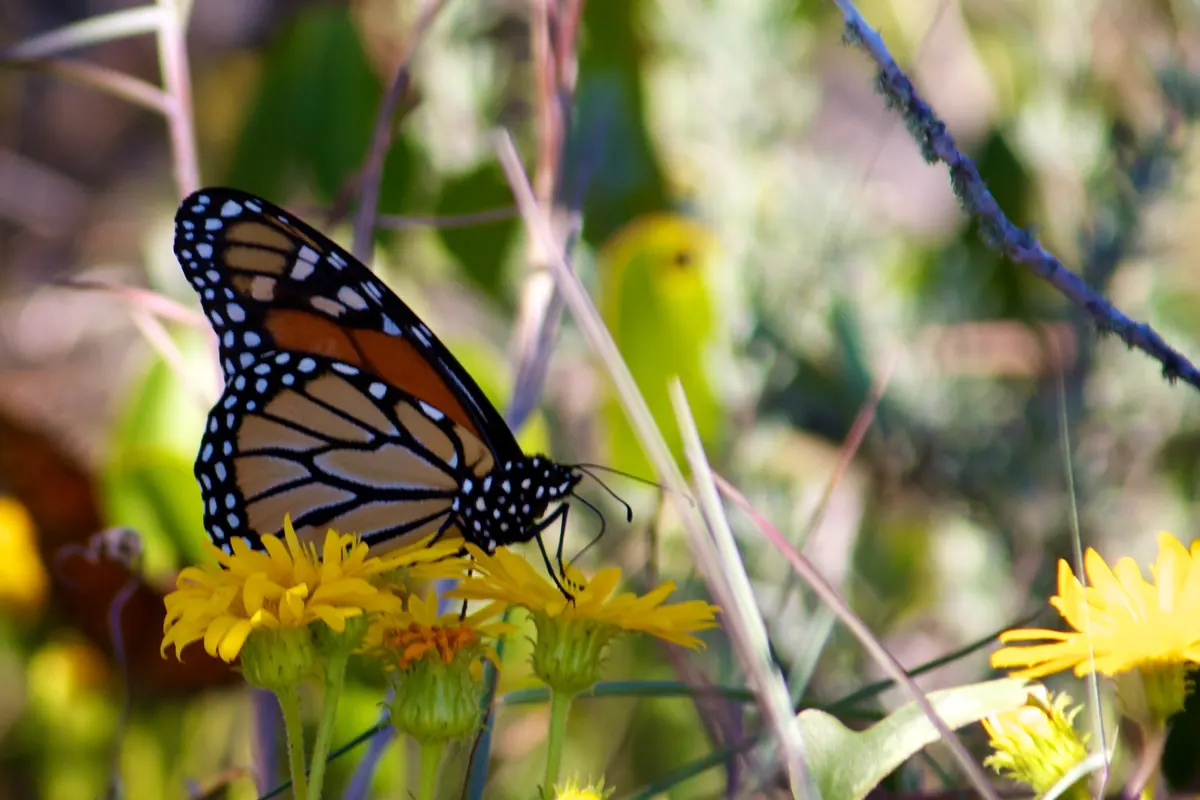
The late monarchs fuel up on groundsel tree, a native coastal shrub that the Wildflower Center lists in flower in August, September and October. Male and female flowers grow on separate plants, and in fall the females turn silvery with plumed seeds, as if dusted with frost. A north-wind day at Huntington Beach State Park can put a steady line of monarchs low over the dry sand; one Monarch Watch correspondent estimated ten thousand in a single day there.
-
Monarch City in the Upstate
September into October · Greer and pollinator gardens across the Upstate
Greer is the first community in South Carolina named a Monarch City USA, and its pollinator gardens are a stopover in the September-to-November passage. In the Upstate the flight is close to done by mid-October, so the last monarch on a zinnia there is worth a dated note on the pollinator watch plate.
Report what you see, especially clusters roosting in trees at dusk, to Journey North. A coastal monarch in December is not lost; it may be one of the winterers.
What changes on the South Carolina coast in October?
-
Oysters and clams reopen
Opens half an hour before sunrise, Thursday, October 1; through May 15, 2027 · Public and State Shellfish Grounds with open water quality
The daily limit is two U.S. bushels of oysters and half a bushel of clams, on no more than two calendar days in any seven, with at most three personal limits per boat or vehicle, and clams must be at least an inch thick. Twenty-seven grounds are reserved for recreational pickers. Rain, spills or a storm can close grounds overnight, so check the state’s shellfish closure map or call 1-800-285-1618 before you go. Cull in place, leaving dead shell and small oysters on the bed, and recycle your shells.
-
Fall white shrimp
Shrimp baiting season, noon September 11 to noon November 9 · Creeks, sounds and tidal rivers
The fall shrimp are white shrimp, grown fat in the estuaries over the summer. SCDNR says they head out to the ocean when the water falls to about 60 to 65 °F, usually at four to five inches long. The 60-day baiting season is fixed by law and opens at noon on the last Friday on or before September 15; the resident license is $25, and baited shrimp may not be sold.
-
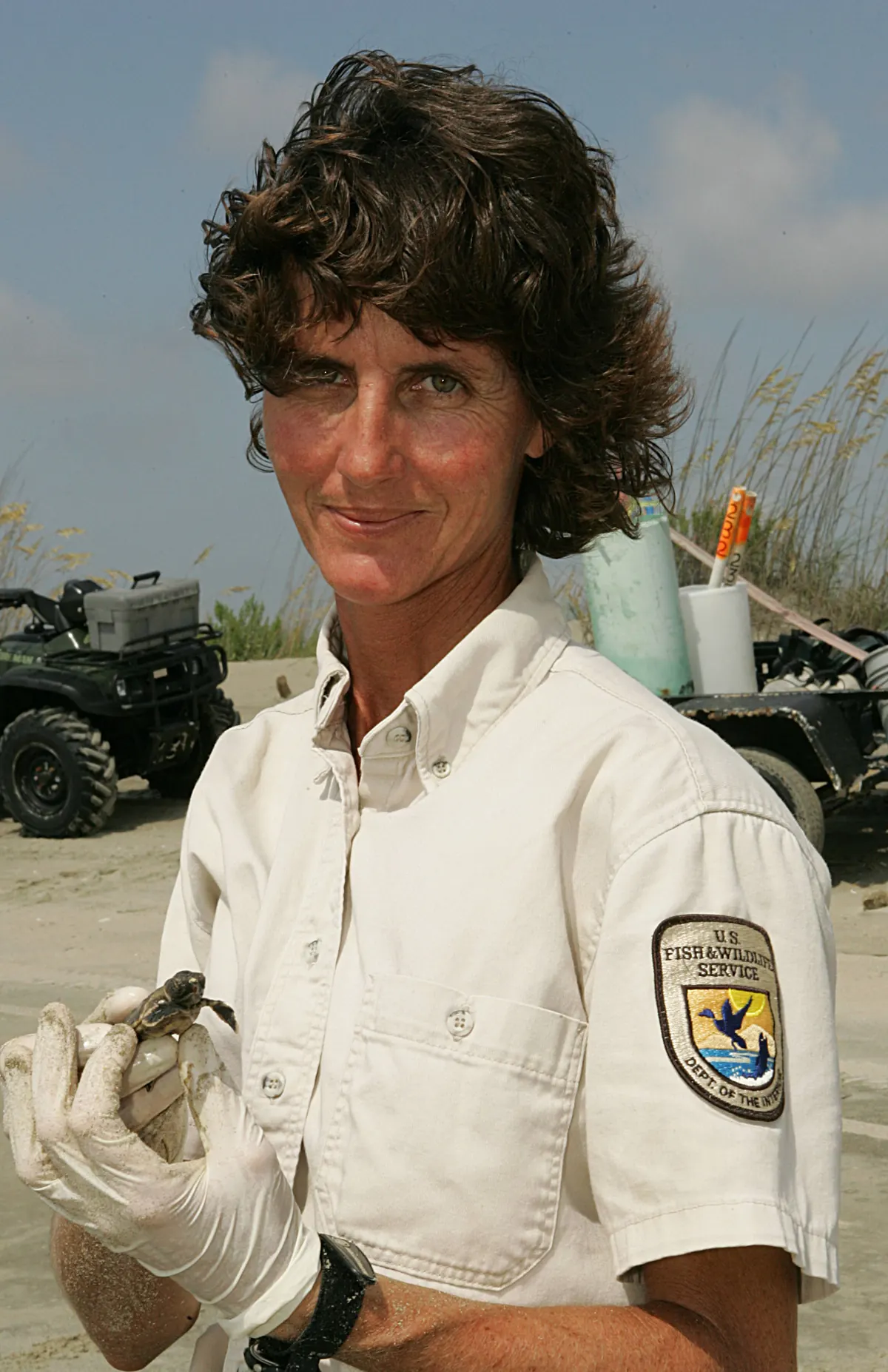
The last loggerhead nests of a big year
Nesting season officially ends October 31 · Cape Romain, Kiawah, Edisto, Hilton Head and beaches statewide
The 2026 season was one of the strongest ever recorded. Preliminary counts on seaturtle.org stand at 8,038 loggerhead nests, plus 15 green turtle nests and a Kemp’s ridley; the state record is 8,775, set in 2019, and 2025 managed only 3,902. By August 10 Cape Romain alone had 3,437. Laying ended in August; volunteers watch the final nests hatch through October. Keep beachfront lights off, fill holes and knock down sandcastles, and call SCDNR at 1-800-922-5431 for a sick, injured or dead turtle.
-
King tides, October 26–28
Morning high tides, Monday through Wednesday, starting the day of the full moon · The Charleston peninsula and low-lying coastal roads
October is the tide-flooding month in Charleston: NWS Charleston’s records count more minor flood events at the harbor gauge in October than in any other month. NOAA’s predictions for Charleston Harbor this year peak at 6.76 feet above mean lower low water at 8:18 a.m. on October 26, 6.87 at 9:06 a.m. on October 27 and 6.85 at 9:57 a.m. on October 28. Minor flooding begins at 7.0 feet, so the forecast sits just under the line, and an onshore wind or a rainy morning can push it over. NWS Wilmington has already flagged October 26–28 for possible sunny-day flooding on the northern coast.
When is the first freeze in South Carolina?
For most of the state, not in October. The only places with a median first freeze inside the month are the mountain valleys and a handful of cold spots in the Piedmont: Jocassee 8 WNW, high in the Oconee County mountains, sees its first freeze by October 5 one year in ten, and by October 17 in a median year. Caesars Head, three thousand feet up, waits until November 2, most likely because on a calm, clear night the chilled air drains downslope and settles in the hollows. The Upstate cities and the Midlands usually see their first 32 °F in the first half of November, the Pee Dee a week or so later, and the coast not until late November or December. Downtown Charleston, wrapped in water, has a median of December 30.
| Station | One year in ten | Median | Nine years in ten |
|---|---|---|---|
| Jocassee 8 WNW (Oconee County mountains) | Oct 5 | Oct 17 | Nov 1 |
| Caesars Head (Blue Ridge Escarpment) | Oct 22 | Nov 2 | Nov 16 |
| Greer (Greenville–Spartanburg) | Oct 26 | Nov 7 | Nov 24 |
| Rock Hill York County Airport | Oct 23 | Nov 4 | Nov 19 |
| Columbia (Midlands) | Oct 26 | Nov 7 | Nov 24 |
| Florence Regional Airport (Pee Dee) | Nov 1 | Nov 13 | Dec 2 |
| Myrtle Beach (Grand Strand) | Oct 31 | Nov 13 | Dec 3 |
| Charleston International Airport | Nov 8 | Nov 27 | Dec 21 |
| Beaufort Mcas (Lowcountry) | Nov 14 | Dec 3 | Jan 1 |
Look up the station nearest your garden on the South Carolina frost dates page. Frost on car roofs and lawns can come several days before the thermometer reaches 32 on a clear, calm night, and dry air lets the ground lose heat fast, so a drought fall can surprise the low spots. Pick the peppers and cover the tender herbs when the forecast low drops into the 30s, and note the first white lawn in the daily field log.
How much daylight does South Carolina lose in October?
About an hour, a little more in the Upstate than on the coast: Greenville gives up 63 minutes over the month, Columbia 60, Charleston 57 and Beaufort 56. In Columbia the sun comes up at 7:19 a.m. on October 1 and at 7:43 on Halloween, and it sets at 7:08 p.m. on the first but at 6:32 p.m. on the last day. When the clocks go back early on Sunday, November 1, sunrise jumps an hour earlier and sunset lands near half past five.
| City | Oct 1 | Oct 31 | Lost | Per day |
|---|---|---|---|---|
| Greenville | 11 h 49 m | 10 h 46 m | 63 min | 2.1 min |
| Rock Hill | 11 h 49 m | 10 h 47 m | 62 min | 2.1 min |
| Columbia | 11 h 49 m | 10 h 49 m | 60 min | 2.0 min |
| Aiken | 11 h 50 m | 10 h 51 m | 59 min | 2.0 min |
| Florence | 11 h 49 m | 10 h 49 m | 60 min | 2.0 min |
| Myrtle Beach | 11 h 50 m | 10 h 50 m | 60 min | 2.0 min |
| Charleston | 11 h 50 m | 10 h 53 m | 57 min | 1.9 min |
| Beaufort | 11 h 50 m | 10 h 54 m | 56 min | 1.9 min |
Whether you live on Lake Keowee or Hilton Head, the Field almanac gives your own sun times, dusk and the week’s shrinkage.
Is October dry in South Carolina, and what will El Niño bring this winter?
October is one of the kinder months. By NOAA’s 1991–2020 normals the typical afternoon reaches 73 °F at Greer, about 76 to 77 °F at Columbia, Florence and North Myrtle Beach, and 78 °F at Charleston, with lows from 50 °F in the Upstate to 58 °F at Charleston. Rain falls off from September: Columbia averages 3.13 inches, Greer 3.59, Florence 3.42, North Myrtle Beach 4.20 and Charleston 4.33, against Charleston’s 6.01 in September. This year it arrives on dry ground. The U.S. Drought Monitor had nearly four-fifths of the state in drought on September 22, and NWS Wilmington counted a rainfall shortfall of more than 11 inches over six months at North Myrtle Beach.
Hurricane season lasts through November 30, and October storms have hit this coast: Matthew came ashore near Cape Romain as a Category 1 on October 8, 2016, and pushed Charleston Harbor to 9.29 feet, the third-highest water on record there. NWS Wilmington’s fall outlook puts the odds of a quieter-than-normal Atlantic season at 75 percent, since El Niño’s strong upper winds tear at storms over the open tropics, but notes that systems can still spin up close to the Carolinas where that shear is weaker.
That El Niño is the headline for the winter. The Climate Prediction Center rated a very strong event as better than nine chances in ten in its September 10 update. In the Carolinas the signal is mostly about water. NWS Wilmington’s records show Florence averaging 11.28 inches of winter precipitation in El Niño years against a normal of 9.55, winters a touch cooler because the jet stream rides farther south, and more strong nor’easters along the Atlantic coast. Courtney Maskell of NWS Charleston told reporters in August that precipitation “tends to favor above-average for the Carolinas,” welcome in a drought unless it all falls at once. The State Climatology Office has linked strong El Niño winters in general to more ice and snow events and to coastal erosion and flooding, though no El Niño guarantees a single flake. October itself feels little of it. NOAA’s official winter forecast lands around the middle of the month; in the meantime the Weather now page has the forecast.
What can you see in South Carolina’s night sky this October?
-
The moon hides Jupiter
Tuesday, October 6, about 4:16 to 5:20 a.m. EDT · Low in the east; the moon 12 to 14 degrees up at the start
The crescent, 20 percent lit, clears the horizon around 3 a.m. (3:03 in Charleston, 3:10 in Greenville), the planet glittering beside it. IOTA, the occultation timers’ association, lists the vanishing at 4:17 a.m. in Charleston, Myrtle Beach and Charlotte and 4:16 in Augusta and Savannah, with the moon 12 to 14 degrees high. Jupiter pops back out from the unlit side at 5:19 in Charleston, 5:20 in Myrtle Beach and Charlotte, 5:18 in Augusta and 5:17 in Savannah, the moon then standing 24 to 27 degrees high. Columbia and Greenville are absent from the list, but their times should differ by only a minute or so. Both events come in full darkness, well over an hour before dawn twilight begins. Binoculars are enough to watch it go.
-
The Hunter’s Moon
Evenings of Sunday, October 25 and Monday, October 26 · Rising in the east-northeast
Fullness comes at 12:12 a.m. Monday, so Sunday and Monday evenings both offer a full-looking moon. Sunday it rises at 6:04 p.m. in Charleston and 6:07 in Columbia, half an hour before the sun goes down; on the 26th it comes up at 6:43 and 6:44, a few minutes after sunset. Despite what you may read, this one is no supermoon. Its pull, with the sun’s, drives the king tides that follow.
-
Orionid meteors
Before dawn, October 21 and 22 · Anywhere dark, facing southeast and up
Halley’s Comet left the grit that makes the Orionids, which fly from early October into early November and peak broadly on October 21–22. A fat waxing moon lights the evening, but it sets at about 3:45 a.m. on the 22nd (3:44 in Charleston, 3:47 in Columbia, 3:52 in Greenville), leaving a dark sky until the east begins to pale after 6. A dark rural site might show a dozen or so swift meteors an hour in a decent year.
-
Draconids on a moonless evening
Thursday evening, October 8 · The northern sky after dark
A sparse shower of slow meteors that is best soon after dark, which makes it a school-night event. The moon stays below the horizon until the next dawn, and new moon two days later brings the darkest skies of the month.
-
Planets: Saturn all night, Jupiter and Mars at dawn
Saturn at opposition October 4; Mars in the Beehive October 11 · Saturn east at dusk; Jupiter and Mars east before sunrise
Saturn sits opposite the sun on October 4, climbing out of the east as daylight fades and lingering till morning, and the moon passes it on October 23–24. Venus is a western-twilight object only through about the first weekend, and it lines up between Earth and sun, unseen, on October 23. In the morning Jupiter blazes in the east, and Mars, higher and fainter, threads the Beehive cluster in Cancer on the dawn of October 11, a lovely binocular sight.
| Phase | Date | Time |
|---|---|---|
| Last quarter | Saturday, Oct 3 | 9:25 a.m. EDT |
| New moon | Saturday, Oct 10 | 11:50 a.m. EDT |
| First quarter | Sunday, Oct 18 | 12:12 p.m. EDT |
| Full moon, the Hunter’s Moon | Monday, Oct 26 | 12:12 a.m. EDT (looks full the evenings of Oct 25 and 26) |
| Last quarter | Sunday, Nov 1 | 3:28 p.m. EST |
Check the Today’s sky page for cloud cover before you set an alarm, and the moon phase calendar for the nights ahead.
What is blooming and ripening in South Carolina in October?
-
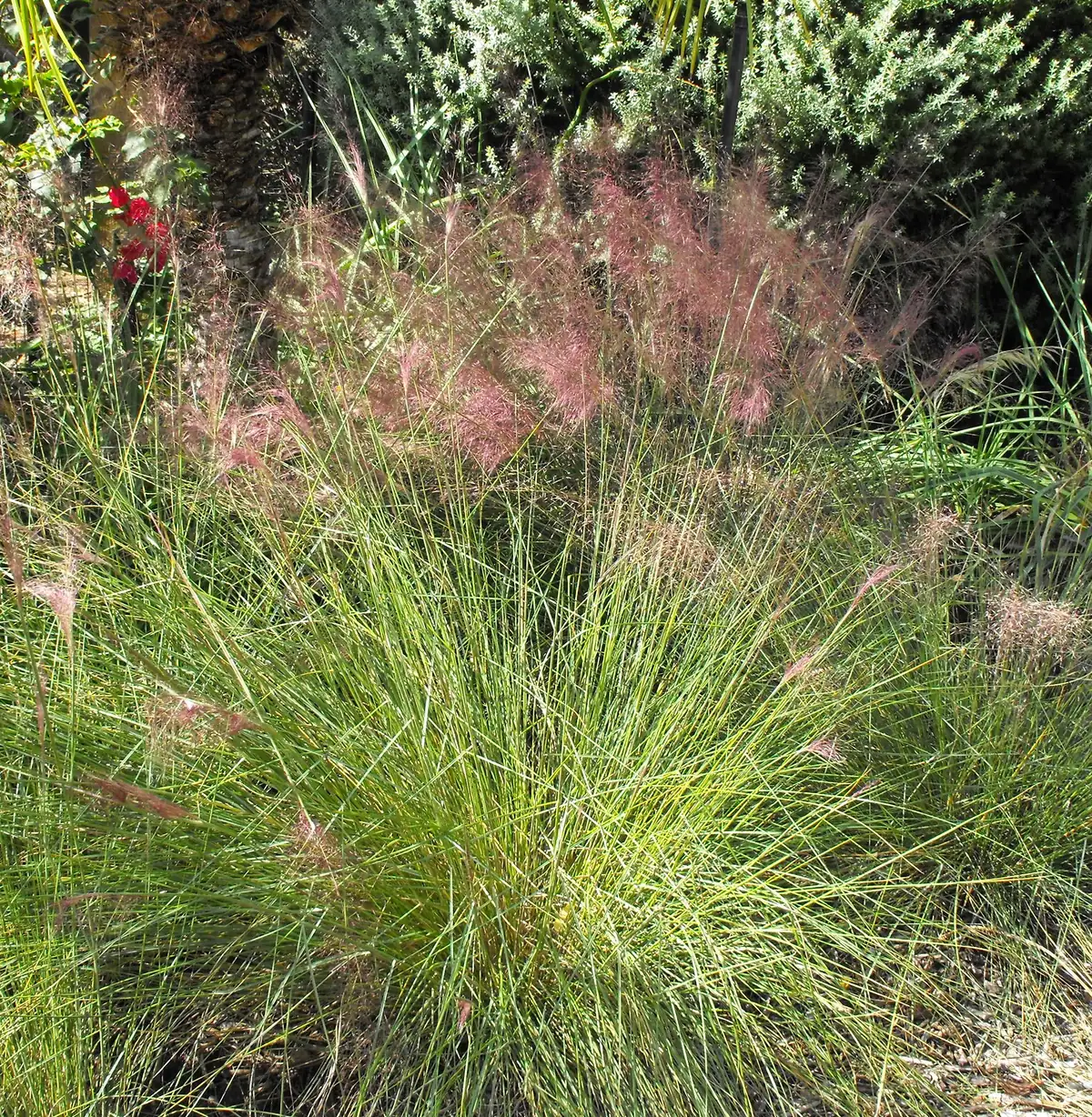
Muhly grass in pink
Flowering from October, fading to tan through winter · Dunes, roadsides, yards and parking-lot islands statewide
Clemson’s Home & Garden Information Center describes the native muhly as clouds of tiny pinkish-purple flowers that appear in October over blue-green leaves two to three feet tall. It is drought tolerant once established, which shows this year. The same genus includes the sweetgrass that Lowcountry basket makers have sewn for generations.
-
Groundsel tree turning silver
Flowering into October; seed plumes on female plants in fall · Marsh edges, ditches and old fields, most common near the coast
Groundsel tree, also called saltbush, is where the coastal monarchs feed. By late October the female shrubs look like silvery paintbrushes, covered in fluffy seeds, while the males stay plain. The Wildflower Center notes that it once kept to the outer coastal plain but has spread well inland.
-
Goldenrods and asters
Until the first freeze · Roadsides, powerline cuts, marsh edges
Seaside goldenrod on the dunes, tall goldenrod in the fields and a spread of white and purple asters carry the bees and butterflies into November. Goldenrod gets blamed for fall allergies, but its pollen is heavy and bee-carried; ragweed, blooming at the same time with no showy flowers at all, is the culprit.
-
Persimmons
Fruit September through November · Old fields, fencerows and pastures, often in thickets
The USDA’s plant guide warns that the pulp is highly astringent until it ripens, turning orange and sweet in the fall. A persimmon is ready when it is soft and wrinkled and drops at a touch; before then one bite teaches the lesson for life. Foxes, raccoons, opossums and deer all find the trees, so a persimmon thicket is a fine spot to hunt for tracks in soft ground.
What are South Carolina’s deer, bears and spiders doing?
-
The rut begins
Generally the last two weeks of October through the first two weeks of November · Statewide; along every rural highway at dusk
That is SCDNR’s general answer to when South Carolina deer breed, with the caveat that breeding can show up almost any time in fall and winter. Bucks rub saplings and paw scrapes under low branches, and they move in daylight more than usual, often straight across the road. Slow down at dawn and dusk, and if one deer crosses, wait for the second.
-
Bears putting on weight
Through the fall, before winter dens · The mountains and upper Piedmont, and a separate population in the coastal plain
SCDNR recognizes two resident populations of black bears, one in the mountains and upper Piedmont and one in the coastal plain. BearWise says a fall bear can spend as many as 20 waking hours a day hunting food, mostly acorns and anything else they can find, and a drought year with a thin acorn crop can push them toward garbage, bird feeders and pet food. BearWise’s October advice is to take the feeders down, secure the trash and recycling, and watch for bears crossing roads at dusk and dawn.
-
Joro spiders at their biggest
Peak in September and October · Porches, powerlines, fences and tree limbs
The large yellow, blue-green and red females of this spider from East Asia spin golden webs that stretch across paths and porches. The University of Georgia’s extension bulletin says they pose no documented threat to people, are not aggressive and can be moved off a path with a stick. They are established in South Carolina and spreading.
What can South Carolina families do outside this October?
- Thursday, October 1: oyster season opens. Pick a recreational-only ground near you, bring gloves and a license, and leave the small ones.
- Fridays October 2, 9, 16 and 23: Creatures of the Night at Huntington Beach State Park, 7 to 8:30 p.m., with salt-marsh seining on Saturdays at 10 a.m. and coastal birding on Wednesdays at 10 a.m.
- Tuesday, October 6: set an alarm for Jupiter, about 4:15 a.m., with a clear view low to the east.
- October 8–11: the dark weekend. Draconids after dark on the 8th, then a pair of bird tallies over the weekend: the global eBird count on Saturday and the circle-bound Big Sit.
- Saturday, October 10: sunrise hike to Bald Knob at Table Rock State Park, with Music on the Mountain that afternoon; the park calendar has the start time and sign-up.
- October 17–18: Congaree National Park turns 50. The park plans free interpretive talks, guided hikes and guest speakers at the Harry Hampton Visitor Center in Hopkins, with the commemorative ceremony at 12:15 p.m. on the 18th; check the park’s schedule for times and any sign-ups. The park protects the largest intact stretch of old-growth bottomland hardwood forest in the country.
- October 26–28: king-tide mornings. Photograph the high water from a safe, dry spot at the same place each day.
- Friday, October 30: Let’s Get Batty and a Bat Watch at Table Rock, 5 p.m. and 6:15 p.m.
- Citizen science. Report monarchs and their roosts to Journey North, send your hawk and backyard counts to eBird, measure rain with CoCoRaHS (every gauge helps in a drought), and enroll the bird feeder in Project FeederWatch, whose count season starts November 1 and runs all winter.
The Naturalist’s Field Journal gives every one of these outings a place to be written down; October for the rest of the country is on the nature hub.
Safety notes for October in South Carolina
- Hunting seasons. On private land in the lower-state Game Zones 3 and 4, gun deer season has been open since mid-August or September 1 and runs to January 1. In the mountain and Piedmont zones (1 and 2), the primitive-weapons deer season runs October 1–10 and gun season opens October 11. Bear season in Game Zone 1, the mountain portions of Greenville, Oconee and Pickens counties, runs October 11–23 for still hunts and October 17–30 with dogs, and Game Zone 2 has a still hunt October 17–30, the same weeks hikers fill the Mountain Bridge and Jocassee trails nearby. Squirrel season with guns opens October 1; the first dove segment ends October 3; there is no October duck season. Check the SCDNR zone map for your county.
- Hunter orange. State law requires all nonexempt persons on Wildlife Management Area lands to wear a hat, coat or vest of solid international orange during deer season, and during gun and muzzleloader seasons for deer, bear and hogs every hunter on a WMA, small-game hunters included, must wear it. Archery-only deer hunters and hunters of doves, ducks, geese and other migratory birds are exempt. SCDNR’s published rules list no such requirement on private land. Hikers on WMA land, and anyone on trails beside hunted woods, should wear orange anyway.
- Water and tides. Rip currents still run in the fall surf. On king-tide mornings, October 26–28, avoid flooded streets. Oyster shells cut deep; wear gloves and closed shoes.
- Fire and drought. With most of the state in drought, check the South Carolina Forestry Commission before burning leaves or debris, and never park a hot car on dry grass.
- Snakes and ticks. Copperheads and rattlesnakes bask on warm trails and rock ledges on cool, sunny days. Ticks stay active through the fall, so check everyone, dogs included, after a walk.
- Deer and bears on the road. The rut and fall feeding put both on highways at dusk and dawn. Brake, do not swerve.
Sources
- South Carolina State Parks: fall foliage reports
- FOX Carolina: fall foliage outlook, drought-driven color challenges (September 14, 2026)
- Drought.gov: South Carolina (U.S. Drought Monitor, data valid September 22, 2026)
- South Carolina State Parks: Caesars Head State Park
- Discover South Carolina: observe migrating raptors at Caesars Head State Park
- HawkCount (HMANA): Caesars Head Hawk Watch site profile and averages
- HawkCount (HMANA): Sassafras Mountain Hawkwatch site profile and averages
- HawkCount (HMANA): Botany Bay WMA Hawk Watch, Edisto Island
- U.S. Fish and Wildlife Service: Cape Romain National Wildlife Refuge (oystercatchers, loggerheads, Sewee Center, red wolves)
- The Big Sit! 2026 (October 10–11)
- eBird: October Big Day, October 10, 2026
- Monarch Watch: peak migration dates by latitude
- Discover South Carolina: monarch butterflies make trek through the Lowcountry
- Monarch Watch blog: migrating with monarchs (Huntington Beach State Park observation)
- SCDNR: South Carolina Coastal Monarch Study (PDF)
- WRDW: monarch butterflies return to S.C. during fall migration; Greer as Monarch City USA (September 29, 2026)
- Journey North: monarch sightings and fall roost reports
- Lady Bird Johnson Wildflower Center: groundsel tree (Baccharis halimifolia)
- SCDNR: South Carolina shellfish harvest season opens October 1 (September 25, 2026)
- SCDNR: shrimp (white shrimp migration and the baiting season)
- Here Columbia: S.C. shrimp baiting season opens with 60-day window (September 12, 2026)
- seaturtle.org: SCDNR Sea Turtle Conservation Program nest database, 2026 (preliminary)
- Post and Courier: S.C. is having a banner year for loggerhead nests (August 2026)
- SCDNR: sea turtles (stranding hotline)
- NOAA Tides and Currents: Charleston Harbor tide predictions, October 2026 (station 8665530)
- NWS Charleston: coastal flood thresholds and event history, Charleston Harbor
- NWS Wilmington: fall 2026 climate outlook (drought, hurricanes, El Niño, sunny-day flooding)
- Site data: NOAA 1991–2020 first-freeze normals for South Carolina stations
- U.S. Naval Observatory: sun and moon rise and set (data API; Columbia, October 1, 2026)
- U.S. Naval Observatory: moon phases 2026 (data API)
- NOAA NCEI: 1991–2020 monthly normals for Greer, Columbia, Charleston, Florence and North Myrtle Beach (data API)
- NWS Charleston: Hurricane Matthew, October 2016
- Climate Prediction Center: ENSO diagnostic discussion, September 10, 2026
- NWS Wilmington: winter outlook 2023–24 (El Niño winter precipitation and temperature at Wilmington and Florence)
- Yahoo News: El Niño expected to bring wetter-than-normal weather to S.C. this winter (NWS Charleston, August 10, 2026)
- Government Technology: S.C. State Climatology Office on El Niño and winter storms (December 2023)
- International Occultation Timing Association: lunar occultation of Jupiter, October 6, 2026
- EarthSky: meteor shower guide (Draconids, Orionids)
- American Meteor Society: 2026 meteor shower calendar
- EarthSky: visible planets tonight (Saturn, Venus, Jupiter, Mars)
- Clemson Home & Garden Information Center: ornamental grasses (muhly grass)
- Clemson Home & Garden Information Center: camellia
- USDA NRCS: common persimmon plant guide (PDF)
- SCDNR: white-tailed deer FAQs (breeding season)
- SCDNR: black bear
- BearWise: what bears do in October
- UGA Extension: Joro spider, Trichonephila clavata (C1273)
- South Carolina State Parks: Huntington Beach programs and events
- South Carolina State Parks: Table Rock programs and events
- National Park Service: Congaree National Park invites the public to commemorate its 50th anniversary (September 3, 2026)
- CoCoRaHS: South Carolina
- Project FeederWatch: how to participate
- SCDNR (eRegulations): deer seasons on private lands, 2026–27
- SCDNR (eRegulations): alligator and bear regulations, 2026
- SCDNR (eRegulations): small game seasons, 2026–27
- SCDNR (eRegulations): migratory bird seasons, shooting hours and bag limits, 2026–27
- SCDNR (eRegulations): WMA regulations, hunter orange
- South Carolina Code of Laws, Title 50, Chapter 11 (Section 50-11-365, international orange on WMA lands)
- CDC: preventing tick bites
- Photos via Wikimedia Commons; licenses and photographers are credited under each picture
